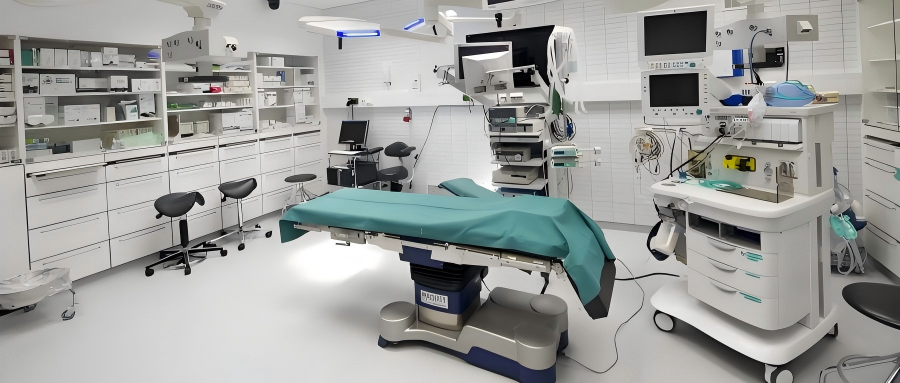
In the demanding and high-stakes environment of American healthcare—from major teaching hospitals to specialized clinics and diagnostic centers—operational efficiency, safety, and adaptability are paramount. One critical yet often underappreciated component in achieving these goals is the raised access floor. More than just a flooring choice, this integrated infrastructure system serves as a strategic asset, optimizing workflows, safeguarding critical utilities, and directly supporting patient care. This article examines the essential applications of raised access floors in US healthcare settings, supported by real-world examples, and outlines why they have become fundamental to modern facility design and operation.
1.A Primer: Raised Access Floors in the Healthcare Context
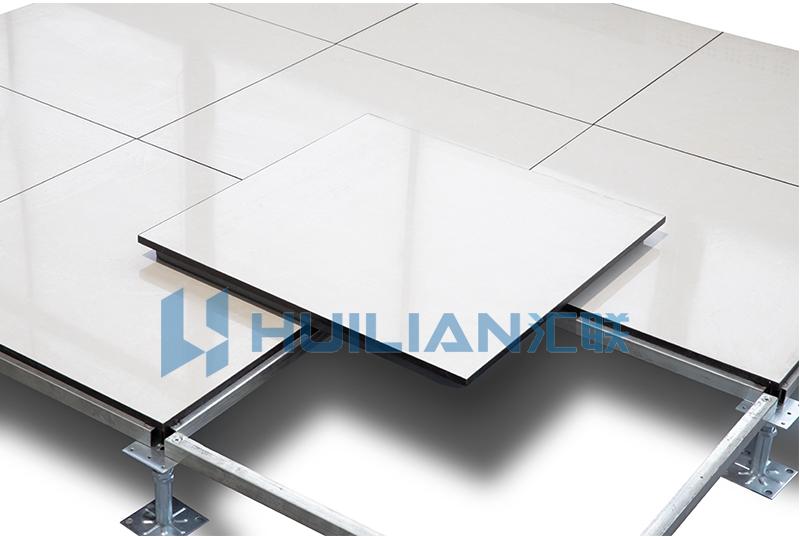
A raised access floor system consists of modular panels supported by an adjustable pedestal grid, creating a concealed void space between the structural slab and the finished floor. This accessible underfloor plenum—typically 6 inches to several feet in height—provides a protected pathway for essential building services. Unlike traditional solid-floor construction, this approach offers unmatched flexibility, enabling easy reconfiguration, maintenance, and upgrades to electrical, data, HVAC, and medical gas systems with minimal operational disruption.
For US healthcare facilities, which must navigate rigorous regulatory standards (from The Joint Commission, CMS, etc.) and relentless technological evolution, this adaptability is not merely convenient—it is mission-critical. Raised flooring directly addresses core healthcare challenges, where system downtime can impact patient safety and the ability to integrate new equipment is vital for future readiness.
2.Key Applications in US Healthcare Settings
The use of raised access floors spans critical departments, each leveraging the underfloor plenum to meet specific operational, safety, and clinical needs.
(1) Critical Care Units: Ensuring System Reliability and a Sterile Environment
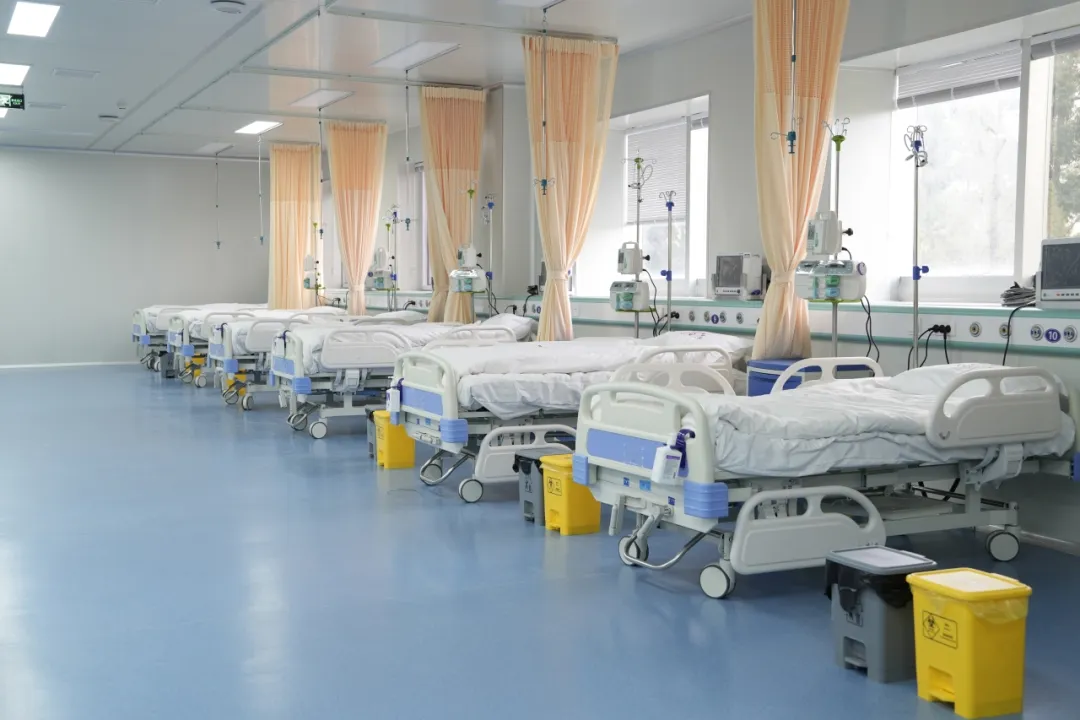
Intensive Care Units (ICUs), Cardiac Care Units, and Neonatal ICUs require absolute reliability of life-support systems—emergency power, medical gases, and real-time monitoring networks. Raised floors provide a secure, concealed raceway for these services, eliminating exposed cables and pipes that pose tripping hazards and complicate infection control. The underfloor space also allows for precise environmental control, routing conditioned air to maintain the strict temperature and humidity levels required for sensitive equipment and patient comfort. Maintenance access is swift and localized via removable panels, avoiding any disturbance to patient care.
(2) Diagnostic Imaging Suites: Supporting Heavy Equipment and Radiation Shielding
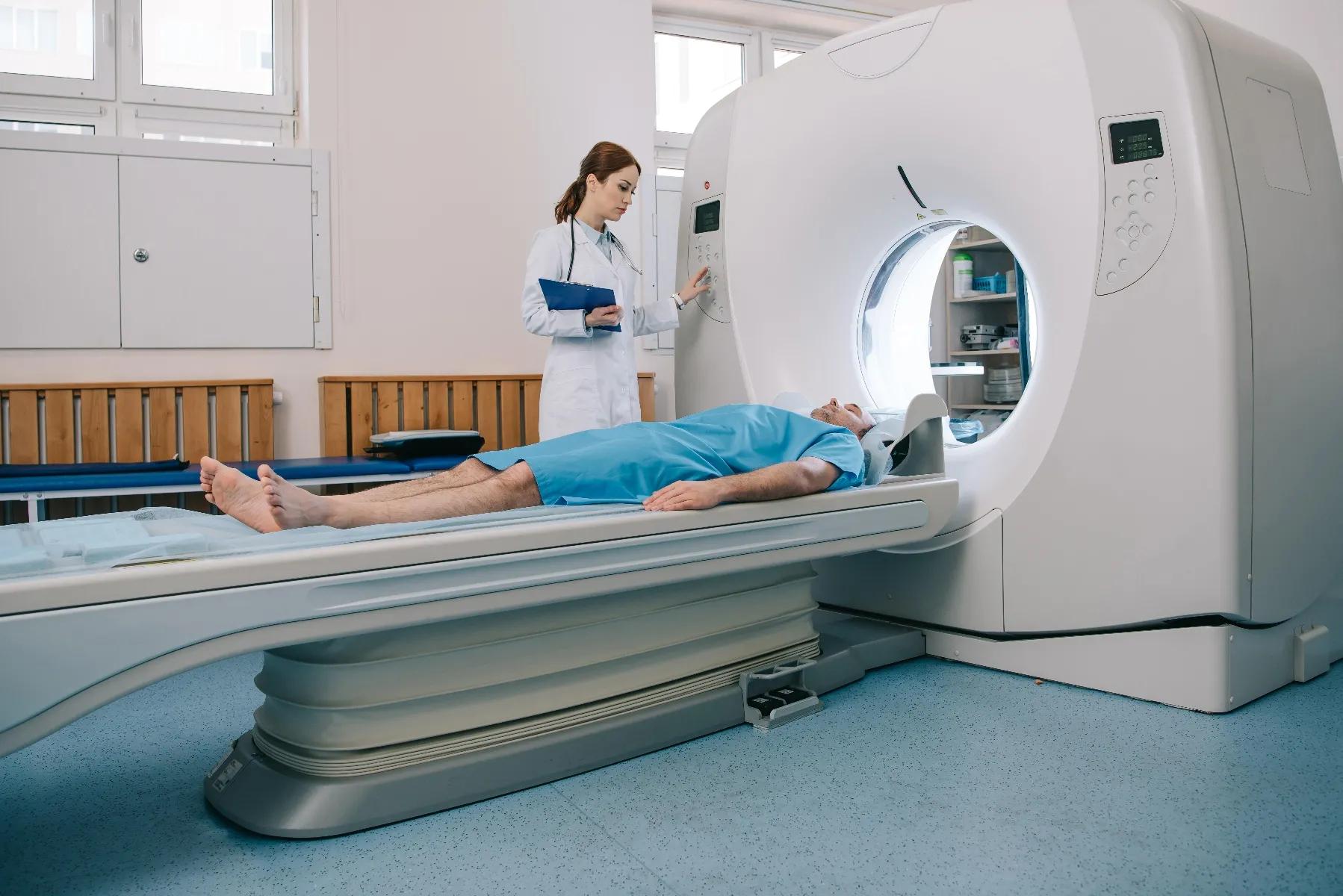
Imaging departments housing MRI, CT, and PET-CT scanners present unique demands. First, this equipment is extraordinarily heavy, often weighing multiple tons. Raised floor systems with high load-capacity panels (1,000+ psf ratings) provide the necessary structural support. Second, radiation shielding (e.g., lead sheeting) can be integrated within the plenum to meet safety regulations. Additionally, the significant heat generated by imaging equipment is managed via cooling systems routed through the void, while all cabling remains organized and protected, enhancing safety and operational efficiency for radiology teams.
(3) Data Centers & IT Rooms: Securing the Digital Backbone

Healthcare's reliance on digital infrastructure—Electronic Health Records (EHRs), telehealth, and connected devices—is absolute. The data centers that house this technology require robust, organized, and coolable infrastructure. Raised floors are the industry standard, facilitating efficient cold-air distribution for server cooling and providing a segregated, manageable space for the dense web of power and data cabling. This organization improves energy efficiency, system reliability, and simplifies maintenance, ensuring uninterrupted access to critical digital tools.
(4) Operating Rooms: Maximizing Safety and Configurability
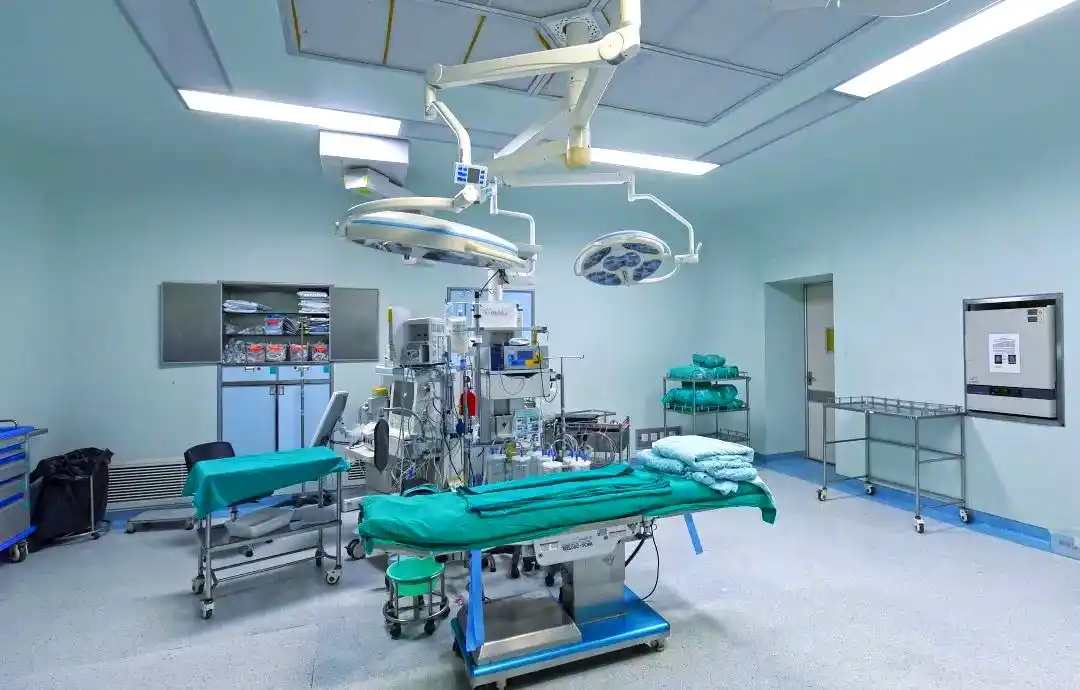
The operating room is a dynamic workspace where unimpeded movement and immediate equipment access are vital. Raised floors remove all service conduits from the surgical field, eliminating trip hazards and clutter. This creates a safer, cleaner environment. Furthermore, the modular design allows surgical suites to be rapidly reconfigured for different specialties. Services can be re-routed or new connections added by accessing the plenum, enabling flexible adaptation to new technologies and procedures without major renovation.
(5) Patient Care & Rehabilitation Areas: Enhancing Accessibility and Comfort
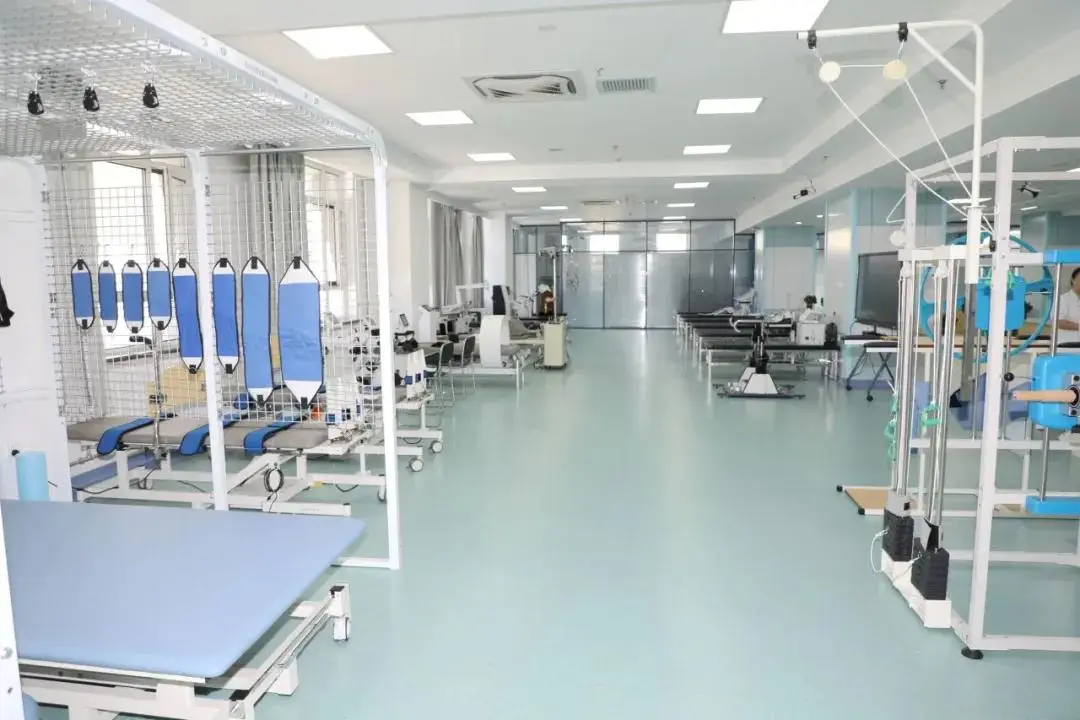
In patient rooms and rehab facilities, safety and comfort are primary concerns. Raised floors can be fitted with ADA-compliant, slip-resistant surfaces. The plenum offers an ideal space for installing radiant heating systems, improving thermal comfort for patients, particularly those with limited mobility. This approach also allows for flexible placement of bedside utilities (power, data, medical gases), enabling room layouts to be easily adapted to specific patient needs and caregiver workflows.
3.Real-World Case Studies
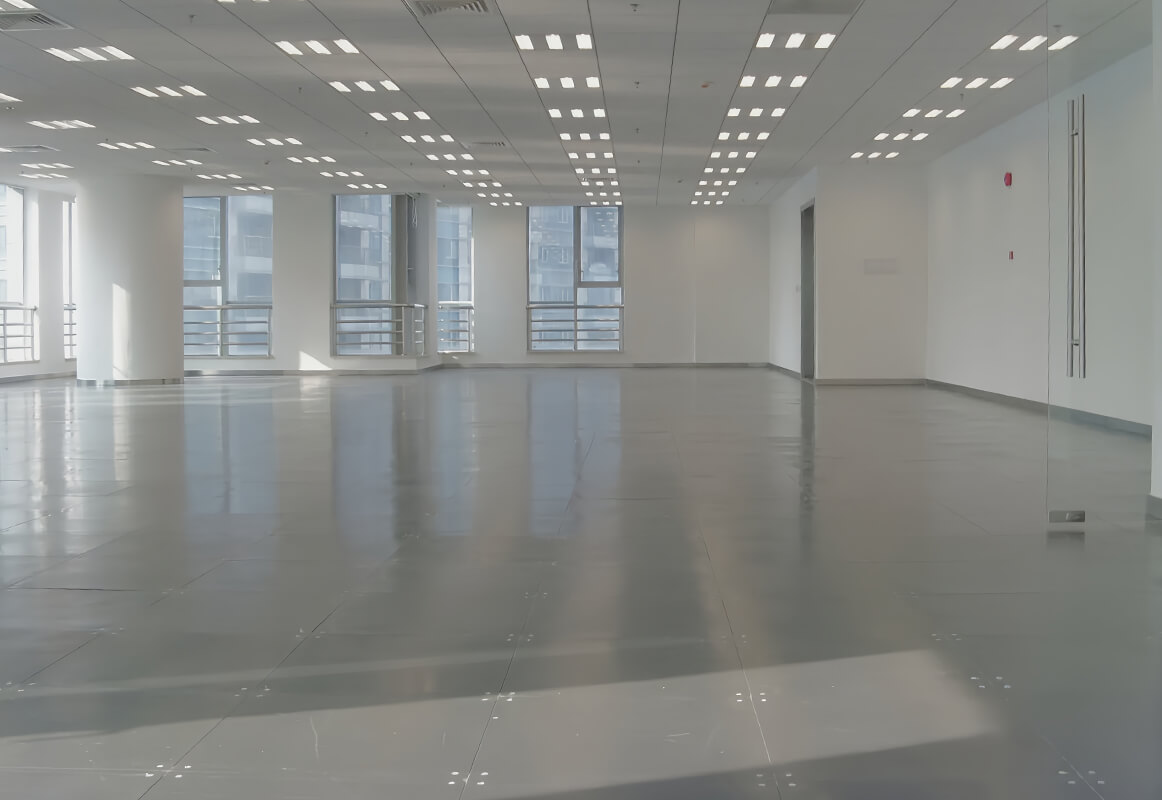
Case Study 1: Major Academic Hospital, Chicago, IL
A leading Chicago hospital renovated its patient tower, focusing on ICU/NICU upgrades and digital integration. The existing solid flooring hindered the routing of new services. The installation of a 12-inch raised access floor system in critical care areas, ORs, and data centers allowed all utilities to be concealed and accessible. This enabled phased construction with minimal care disruption. Post-installation, the hospital reported a 30% reduction in maintenance downtime and gained the flexibility to reconfigure ORs for new surgical technologies seamlessly.
Case Study 2: Specialty Diagnostic Center, Houston, TX
A Houston center expanding its imaging suite needed to support a new PET-CT and MRI scanner (weighing over 15 tons) while accommodating radiation shielding and cooling. The solution was a raised floor with high-load steel panels and an 18-inch plenum. This space housed lead shielding, cooling ducts, and power systems. The design ensured reliable equipment operation with easy maintenance access. The center reported increased patient throughput due to minimal downtime and enhanced staff safety from reduced surface hazards and organized systems.
4.The Strategic Investment Value
For US healthcare administrators and planners, raised access floors deliver compelling long-term value:
Regulatory & Safety Compliance: Facilitates adherence to codes from The Joint Commission, CMS, FDA, and ADA, mitigating risk.
Operational Efficiency: Dramatically reduces disruption for maintenance and reconfiguration, optimizing workflows and staff productivity.
Enhanced Safety: Eliminates trip hazards in clinical areas and allows integration of specialized safety features.
Future-Proofing: Provides inherent flexibility to adopt new medical and IT technologies, protecting the facility's long-term investment.
Life-Cycle Cost Savings: While initial costs may be higher, significant savings are realized through reduced downtime, lower renovation expenses, and improved energy management.
5.Conclusion
Raised access floors have evolved from a technical option to a cornerstone of high-performing US healthcare infrastructure. By concealing and organizing critical services, they create safer, more adaptable, and more efficient clinical environments that directly support quality care. As healthcare continues to advance, the modularity and intelligence built into raised floor systems will remain essential for facilities aiming to excel in patient outcomes, operational resilience, and long-term adaptability.
For facility managers, architects, and designers engaged in healthcare projects, specifying raised access floors is a forward-looking decision that pays continuous dividends in performance, safety, and flexibility.
 English
 العربية
 Français
 Русский
 Español
 Português
 Deutsch
 italiano
 日本語
日本語 한국어
한국어 Nederlands
 Tiếng Việt
 ไทย
ไทย Polski
 Türkçe
 Bahasa Melayu
 Filipino
 Bahasa Indonesia
 magyar
 Română
 Čeština
 қазақ
қазақ Српски
 हिन्दी
 فارسی
فارسی Slovenčina
 Slovenščina
 Norsk
Norsk Svenska
 українська
 Ελληνικά
 Suomi
Suomi Հայերեն
 עברית
עברית Dansk
Dansk Shqip
Shqip বাংলা
বাংলা Hrvatski
 Afrikaans
 Gaeilge
 Eesti keel
 नेपाली
 Oʻzbekcha
 latviešu
 Azərbaycan dili
 Euskara
 Български
 Català
 ქართული
 Hausa
Hausa Lietuvių


