
If you"re importing raised access floors for data centers, offices, cleanrooms, or industrial projects, choosing the right supplier directly impacts your project timeline, costs, and long-term performance. Pick the wrong one, and you"re looking at project delays, skyrocketing maintenance expenses, and even safety risks. To help procurement managers and engineers navigate this critical decision, we"ve outlined 10 red flags to watch for when evaluating raised access floor suppliers.
Red Flag 1: Quotes That Look Too Good to Be True
When a supplier"s quote comes in significantly below market rates, something"s usually off. Here"s what that low price often hides:
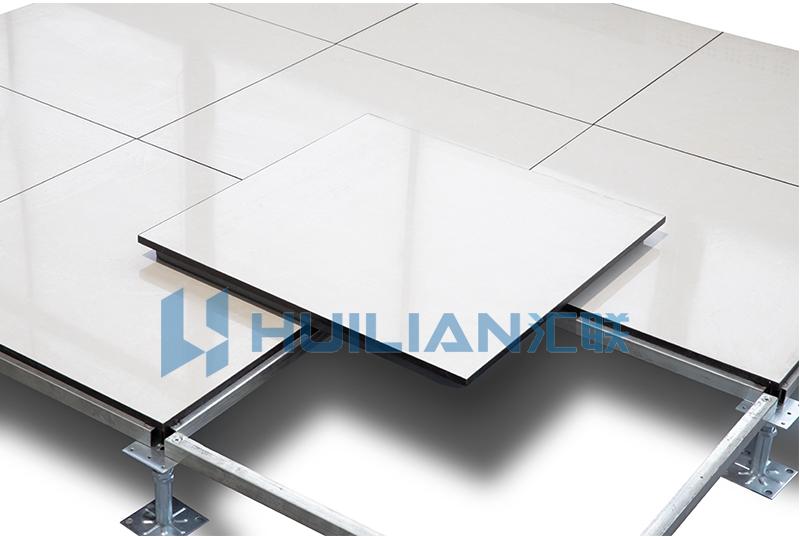
Unclear material specifications (steel thickness, cement density, panel thickness)
Load-bearing and ESD performance that won"t meet your requirements
Thinner steel than what"s standard
Low-grade cement fillers that compromise durability
Poor surface finishing that won"t hold up over time
Undersized pedestals and stringers that can"t handle real-world loads
Bottom line: If the price feels like a steal, you might be the one getting stolen from.
Red Flag 2: Missing Certifications and Test Reports
Reputable manufacturers hold internationally recognized certifications. Without them, your shipment could get held up in customs—or fail inspection on-site.
Watch out for suppliers who can"t provide:
Load-bearing test reports
ESD (electrostatic discharge) test results
Fire rating certifications
CE, ISO, or other market-required documentation
Bottom line: If they can"t show you the papers, they"re probably hoping you won"t ask.
Red Flag 3: No Samples, No Factory Visits
In B2B procurement, sample validation before bulk ordering isn"t optional—it"s the baseline. When suppliers make excuses like "too busy with production" or "samples are expensive," they"re usually hiding inconsistent quality.
The same goes for factory tours. If they can"t show you workshop photos, explain their production capacity, or welcome you for a visit, you"re likely dealing with:
A trading company with no actual factory
A small workshop that can"t handle large orders
Someone with something to hide
Bottom line: Real manufacturers welcome transparency. Middlemen avoid it.
Red Flag 4: Poor Communication and Unqualified Sales
International procurement demands clear, timely communication. You should walk away when you notice:
Slow responses or avoided questions
Vague technical specs that don"t mean anything
Confusion about Incoterms (FOB, CIF, etc.)
Sales reps pushing products without understanding your project requirements
Bottom line: If they can"t communicate clearly before the sale, imagine what happens after they have your money.
Red Flag 5: Unclear Delivery Timelines
Quality manufacturing takes time. A reasonable production cycle is 15–20 days. Anyone promising "7-day delivery" is either clearing out old inventory or skipping critical steps like panel curing.
On the flip side, excessively long lead times signal capacity issues—they simply can"t handle your order size.
Bottom line: Rushed production cuts corners. Delayed production costs you money. Get clarity upfront.
Red Flag 6: No Quality Control Process
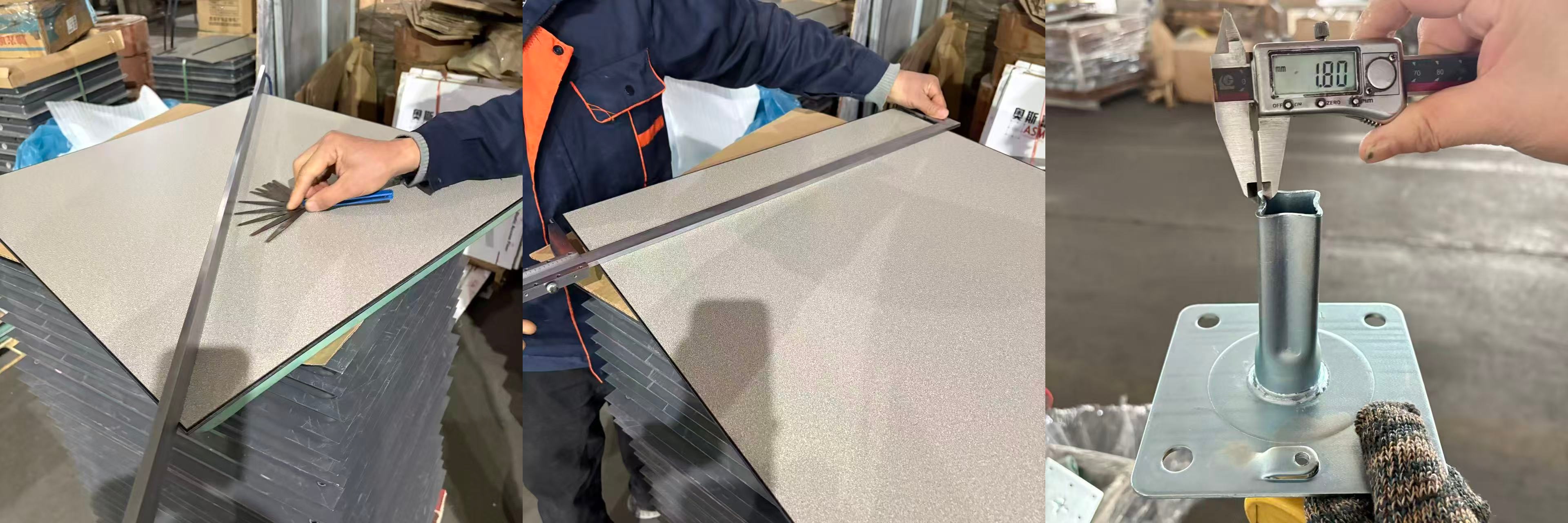
Reliable factories have a full quality control system:
Incoming material inspection → Production inspection → Finished product inspection → Loading inspection.
Be cautious of factories that cannot provide QC photos/videos and refuse third-party inspections.
Uneven floor quality will result in:
Red Flag 7: Low Reorder Rates, No Long-Term Clients
In B2B, repeat business is the ultimate vote of confidence. When a supplier"s reorder rate falls below 15–20%, it tells you one thing: customers try them once, then move on.
That usually points to persistent issues with product quality or after-sales support that never get resolved.
Bottom line: Look for suppliers with clients who keep coming back. One-off transactions don"t build trust.
Red Flag 8: Substandard Packaging
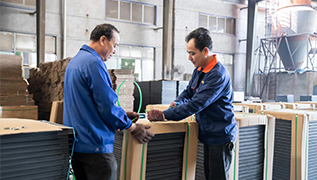
Raised access floors are heavy and vulnerable to damage during ocean freight. If a supplier skimps on export packaging—no wooden pallets, no corner protectors, no waterproof wrapping—you"re almost guaranteed to receive:
Bottom line: How they pack tells you how much they care about your shipment arriving intact.
Red Flag 9: No Installation Support
Even the best raised floors fail when installed incorrectly. Warning signs include:
No detailed installation drawings
Missing manuals or video guides
Unwillingness to provide remote technical support
Bottom line: Products don"t install themselves. If they won"t help you get it right, they don"t care if it fails.
Red Flag 10: No Warranty, No After-Sales Commitment
Raised access floors are long-term investments. Reliable suppliers back them with clear warranty terms. Run from anyone who:
Won"t specify a warranty period
Has no written after-sales policy
Goes silent when quality issues come up
Bottom line: The real test of a supplier isn"t how they sell—it"s how they respond when something goes wrong.
Supplier Evaluation Quick Checklist
Before making your final decision, always verify these points:
Qualifications: ISO 9001, CE, third-party test reports
Capacity: Factory area > 3,000 ㎡? Stable monthly output?
Trade Security: Support L/C or trade assurance?
Reputation: Repeat order rate > 20%? Proven project cases?

HUILIAN: A Raised Access Floor Supplier You Can Trust

HUILIAN, a leader in China's raised access floor industry, combines technical innovation, global compliance, and end-to-end service to become the preferred partner for multinational projects worldwide.
Why Customers Choose HUILIAN
Certified with ISO9001, ISO14000; products meet CE, UL, KS, CISCA and other international standards.
Approved by national authoritative anti-static product quality supervision and testing centers.
Export business covers major global markets, with long-term cooperation with international brands such as ASM and TATE.
Holding 70+ patents (including 10 invention patents), HUILIAN operates the industry"s first in-house ESD testing lab. We perform all critical tests—concentrated load, rolling load, impact resistance, ESD performance—in-house. We"ve even contributed to industry standards for calcium sulfate flooring.
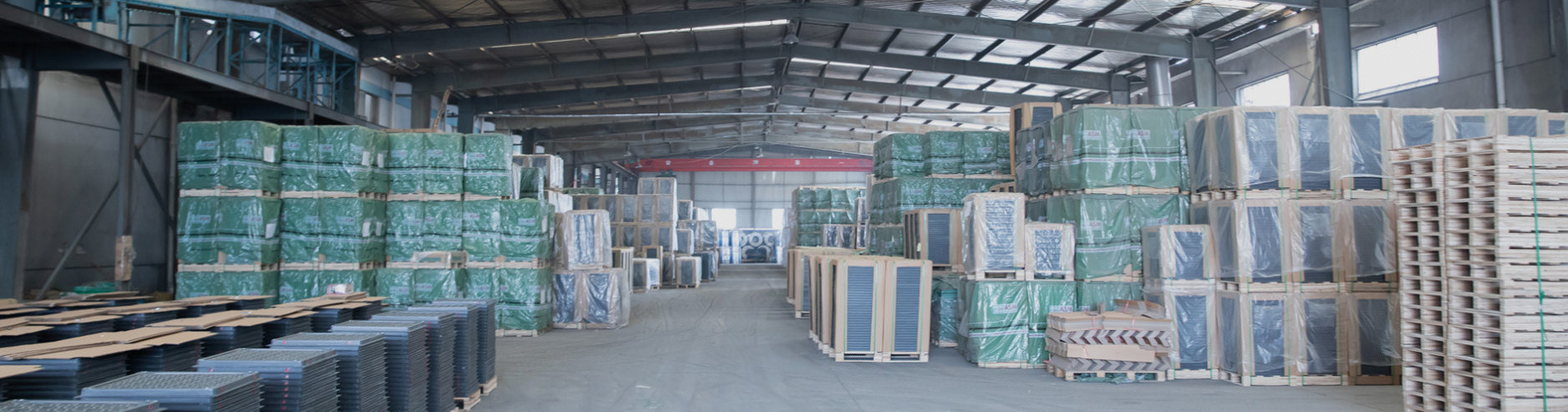
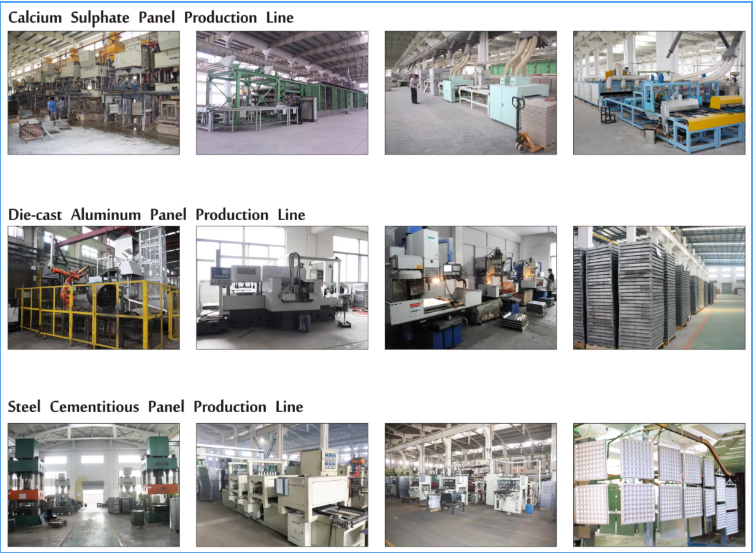
Two production bases covering 140,000 sqm. One of the few manufacturers capable of mass-producing all-steel, calcium sulfate, and aluminum raised access floors under one roof. Annual capacity exceeds 4 million sqm. Automated lines support custom sizes and materials, with lead times as short as 10 days for large projects.
Successful installations across data centers, commercial offices, cleanrooms, microelectronics factories, semiconductor plants, and luxury hotels worldwide.
From customized floor planning and international logistics coordination to remote installation guidance and 24/7 after-sales response—we solve the real headaches of跨国 procurement.
 English
 العربية
 Français
 Русский
 Español
 Português
 Deutsch
 italiano
 日本語
日本語 한국어
한국어 Nederlands
 Tiếng Việt
 ไทย
ไทย Polski
 Türkçe
 Bahasa Melayu
 Filipino
 Bahasa Indonesia
 magyar
 Română
 Čeština
 қазақ
қазақ Српски
 हिन्दी
 فارسی
فارسی Slovenčina
 Slovenščina
 Norsk
Norsk Svenska
 українська
 Ελληνικά
 Suomi
Suomi Հայերեն
 עברית
עברית Dansk
Dansk Shqip
Shqip বাংলা
বাংলা Hrvatski
 Afrikaans
 Gaeilge
 Eesti keel
 नेपाली
 Oʻzbekcha
 latviešu
 Azərbaycan dili
 Euskara
 Български
 Català
 ქართული
 Hausa
Hausa Lietuvių


