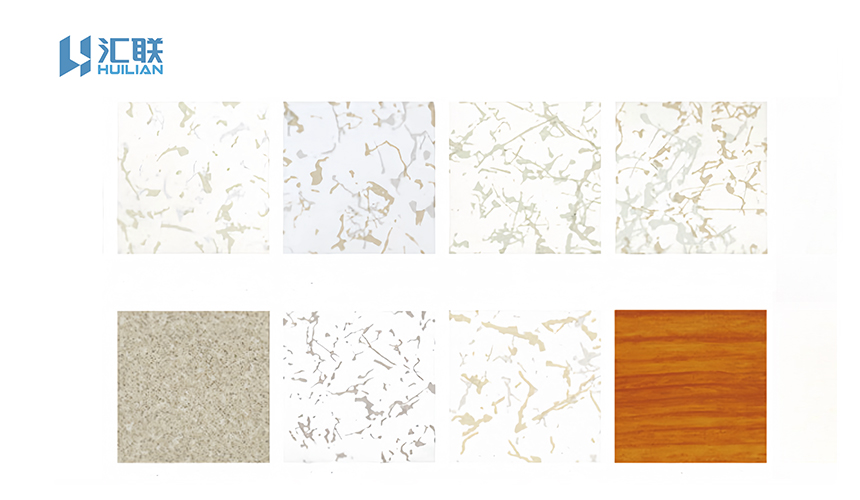
Choosing the right finish for a raised access floor is just as important as selecting the floor panel itself. In commercial buildings with constant foot traffic, an unsuitable surface can quickly fade, scratch, or wear out, leading to expensive maintenance and replacement costs.
As a facility manager, you know that every component in a data center plays a critical role in ensuring uninterrupted operations, and raised floors are no exception. They’re not just a “floor”—they’re the backbone of your data center’s cabling, airflow, and load-bearing capacity. Choose the wrong on
Raised access flooring has become an essential solution for modern offices, data centers, control rooms, educational buildings, and commercial facilities.Among the most widely used systems today, calcium sulphate raised floors and steel cementitious raised floors are considered the two leading optio
In today’s dynamic commercial and technological landscapes, the floor is no longer merely a walking surface—it’s a critical utility backbone that powers efficiency, safety, and adaptability. Raised floor systems, also known as access floors, have become indispensable for modern infrastructure, offer
Introduction: The Global Race for Digital Infrastructure FlooringIn 2026, the raised access floor industry is witnessing a historic shift: a silent but decisive battle between two global power blocs. On one side are European and American manufacturers, long defined by premium engineering, strict cer
Learn how to choose a structural ceiling system. Explore ceiling grids, runners, aluminum connectors, C-channels, support planning, MEP integration, and installation considerations.In commercial buildings, industrial facilities, and data centers, a ceiling system does more than create a finished interior surface. It must also coordinate with cable trays, electrical conduits, fire-protection services, and other mechanical and electrical systems. In spaces with dense equipment and complex services, the structural layout, support method, and maintenance access can be just as important as appearance.
Learn how to clean and maintain HPL and vinyl surfaces, remove common stains, choose suitable cleaning products, and avoid damage.
Brazil’s demand for raised access flooring is growing alongside the expansion of data centers, commercial offices, industrial facilities, and modern building infrastructure.
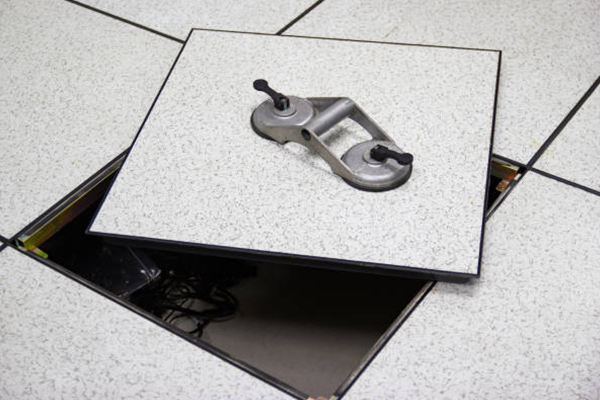
A raised access floor creates an accessible space beneath the finished floor using adjustable pedestals and supporting structures. This space can accommodate power cables, data networks, HVAC services, and other building systems. Removable floor panels also make inspection, maintenance, and future space reconfiguration easier.
Compare steel and calcium sulphate ceramic anti-static raised floors, including load capacity, ESD performance, applications, and key selection factors.
Learn how to choose an OA raised floor for modern offices. Explore specifications, load capacity, raised height, pricing factors, installation and the differences between OA and anti-static raised floors.
Compare 16 raised access floor manufacturers and suppliers serving Denmark. Learn about floor types, data center applications, technical requirements, and supplier selection.
Learn how to select raised floors for liquid-cooled data centers. This guide covers load capacity, floor height, cooling pipe routing, leak detection, and system design.
In a data center, the raised access floor is rarely the first thing discussed during the design stage.
Racks, UPS systems, cooling equipment and power distribution usually receive most of the attention. The floor may only appear in the tender documents as a few basic specifications such as 600 × 600 mm, anti-static and Class A fire performance.
Compare raised access floor manufacturers and suppliers in Malaysia. Learn about steel, calcium sulphate and aluminium systems, data center requirements, pricing factors and how to choose the right supplier.
In data centers, server rooms, electrical control rooms and high‑end office spaces, raised access floors do more than support people and equipment. They also create a flexible underfloor space for power cables, data lines and other building services.
For projects where fire performance, load capacity, dimensional stability, acoustic comfort and long‑term reliability are important, calcium sulphate raised access floors have become a popular solution.