You are here: Home » Blog » Product News » Is Raised Access Flooring Suitable for Your Office?
Is Raised Access Flooring Suitable for Your Office?
Views: 20 Author: Site Editor Publish Time: 2025-12-04 Origin: Site
In today’s era of global office upgrades, high-growth companies in Silicon Valley, established European manufacturing enterprises, and co-working brands in Southeast Asia are all pursuing the same goal: creating office spaces that are both flexibly adaptable and aesthetically minimalist. Amid the modern demand for flexible, efficient, and technology-driven work environments, raised access flooring has emerged as a popular choice for many contemporary businesses. However, for most corporate decision-makers, whether to adopt this system in their offices remains a question requiring in-depth evaluation. This article analyzes the topic from multiple dimensions to help you determine:
Is raised access flooring suitable for your office?
(1) What is Raised Access Flooring?
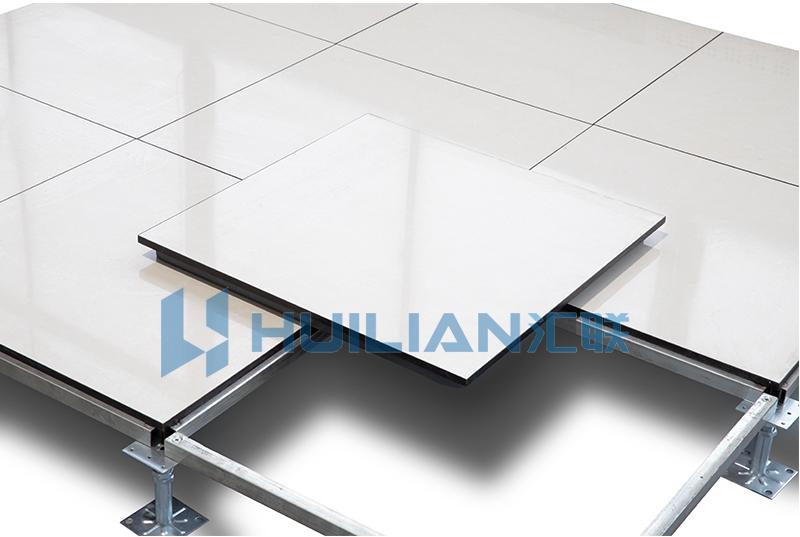
Raised access flooring is a detachable modular flooring system supported by adjustable metal supports and crossbars that elevate the panels, creating an underfloor cavity. This cavity facilitates cable management, equipment maintenance, and environmental control in server rooms and offices. Core types include all-steel anti-static flooring, aluminum alloy flooring, and calcium sulfate flooring. The raised access flooring industry primarily provides professional supporting products for sectors such as the internet industry, electronic information manufacturing, and commercial office buildings, with wide applications in professional data centers and internet data hubs.
Core Advantages:
Flexible Wiring: The underfloor cavity serves as a natural "channel for pipelines and cables," accommodating power cables, network wires, air conditioning water pipes, fire-fighting pipelines, and more—eliminating the need for grooving or embedding wires in the floor.
Easy Maintenance: Panels are connected to the support frame via snap-on or screw-fixed mechanisms, allowing individual or multiple panels to be removed and reinstalled at any time. This enables inspection and maintenance of underlying infrastructure without damaging the overall floor structure.
Enhanced Heat Dissipation: The underfloor cavity optimizes air circulation in server rooms and dense office areas, creating a safer and more comfortable working environment.
Future Adaptability: Each raised access floor panel can be independently disassembled and installed, enabling rapid adaptation to office layout adjustments and technological upgrades.
(2) Which Types of Offices Are Best Suited for Raised Access Flooring?
1. Technology Companies, Data Centers, and Server Rooms
For enterprises highly dependent on electronic infrastructure, raised access flooring is nearly a standard configuration. It provides organized pathways for massive cable networks and supports hot/cold aisle management for precision air conditioning, significantly extending equipment lifespan and energy efficiency.
2. Open Office Spaces and Flexible Workstations
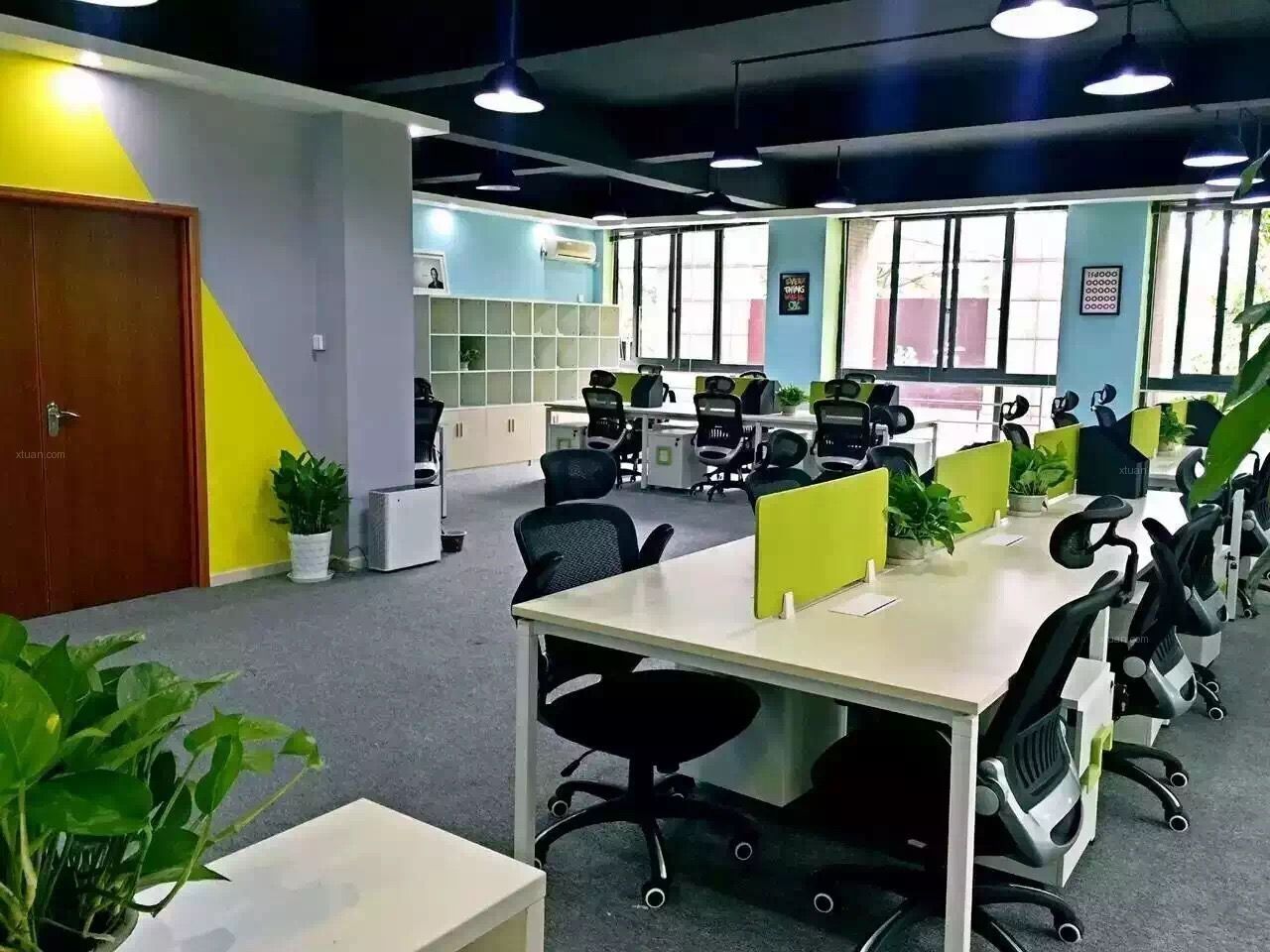
For companies adopting agile working models or frequently adjusting team layouts, raised access flooring simplifies the reconfiguration of power and network outlets—saving substantial time and renovation costs.
3. Financial Institutions and Trading Floors
These environments demand high data transmission speeds, secure wiring, and efficient heat dissipation. Raised access flooring not only meets dense wiring requirements but also features high-strength panels (e.g., Class B1 fire-resistant steel plates) that comply with strict fire safety standards.
4. Laboratories, Medical Facilities, and Professional Studios
Spaces requiring specialized electrical grounding, interference shielding, or frequent equipment updates benefit from raised access flooring’s concealed, safe, and compliant solution.
5. High-End Corporate Headquarters and Innovation Centers
Modern office designs that integrate architectural aesthetics with functionality often use raised access flooring to achieve a "wireless appearance," hiding all pipelines for a neat and professional visual effect.
(3) Office Needs Vary by Market
While raised access flooring’s core strength lies in "flexible adaptation to complex wiring," office space characteristics across different markets determine prioritization of its benefits.
U.S. Market: Key applications include open offices and data centers of technology companies and financial institutions. These spaces typically require high-density wiring—power and network cables in server rooms, and workstation power/data lines in open offices. Traditional flooring requires pre-embedded wiring, which is easily damaged when adding/removing equipment later. Raised access flooring provides a 5-15cm underfloor space for flexible cable routing, perfectly matching U.S. enterprises’ need for "high-frequency equipment updates." For example, a tech company in Silicon Valley used raised access flooring to enable independent control of power and network lines at each workstation, allowing employees to adjust seating without re-drilling or rewiring.
European Market: Environmental protection and spatial aesthetics are core priorities. The EU Construction Products Regulation (CPR) imposes strict requirements on flooring materials’ environmental friendliness and fire resistance. High-quality raised access flooring (e.g., products with recycled resin substrates) not only meets EU E0-level environmental standards but also features modular designs compatible with finishes like carpet and wood flooring—adapting to Europe’s common "minimalist industrial style" or "light luxury office style." Additionally, some older European office buildings suffer from uneven floors; raised access flooring’s leveling function resolves this issue directly, avoiding the high costs and long construction periods of traditional floor leveling.
Southeast Asian Market: Key considerations include the high-temperature, high-humidity climate and demand for "flexible expansion." Most Southeast Asian enterprises operate in e-commerce and manufacturing, often needing to temporarily add warehousing or equipment areas. Raised access flooring’s detachable nature allows space renovations to be completed in 1-2 days—far faster than re-laying traditional flooring. Meanwhile, indoor moisture regain during Southeast Asia’s rainy season is mitigated by air circulation in the underfloor cavity, reducing the risk of floor mold and extending service life. For example, a Malaysian e-commerce enterprise installed raised access flooring to address rainy-season dampness and conceal logistics equipment cables, creating a cleaner and more efficient workspace.
(4) Key Considerations
Space and Floor Height
Minimum Height Requirement: Raised access flooring typically requires an elevation of 150-600mm (depending on wiring complexity). Ensure the remaining ceiling height complies with local building code requirements after installation.
Floor Load-Bearing Capacity: The system’s weight plus intended loads must fall within structural safety limits. Professional suppliers will provide structural calculations.
Cost-Benefit Analysis
Initial Investment: Higher than traditional flooring, but total lifecycle costs should be considered.
Long-Term Savings: Reduces future renovation expenses, minimizes operational downtime losses, and improves energy efficiency.
Case Reference: A European bank’s data center reduced wiring modification costs by 70% and maintenance time by 50% after adopting raised access flooring.
Technical Specifications and Standards
Load Capacity Rating: Select based on intended use (light office, medium office, heavy-duty server room, etc.).
Fire Resistance Rating: European and U.S. markets typically require compliance with standards such as EN 12825 and ASTM, with a minimum Class B1 rating.
Static Control: Anti-static (ESD) panels are available for sensitive electronic environments.
Environmental Certifications: Credentials like LEED contribution points and Greenguard certifications enhance building sustainability ratings.
(5) How to Get Started
High Initial Cost → Solution: Adopt phased installation or choose cost-effective systems optimized for small and medium-sized enterprises.
Concerns About Comfort → Solution: Modern systems offer various floor finishes (solid wood, carpet, tile, PVC, HPL) with foot feel identical to traditional flooring.
Maintenance Complexity → Solution: Select modular systems with smart tags and color coding, and train facility teams in basic panel replacement.
Professional Assessment: Contact qualified raised access flooring suppliers for on-site surveys and needs analysis.
Pilot Area: Install in server rooms or key departments first to verify effectiveness before full-scale deployment.
Turnkey Services: Choose suppliers offering one-stop solutions including design, installation, training, and after-sales manufacturer.
(6) Conclusion
Raised access flooring is far more than a specialized solution for data centers. It is a strategic infrastructure investment worth considering for any office environment pursuing flexibility, sustainability, and future readiness.
If your office meets multiple characteristics below:
 English
 العربية
 Français
 Русский
 Español
 Português
 Deutsch
 italiano
 日本語
日本語 한국어
한국어 Nederlands
 Tiếng Việt
 ไทย
ไทย Polski
 Türkçe
 Bahasa Melayu
 Filipino
 Bahasa Indonesia
 magyar
 Română
 Čeština
 қазақ
қазақ Српски
 हिन्दी
 فارسی
فارسی Slovenčina
 Slovenščina
 Norsk
Norsk Svenska
 українська
 Ελληνικά
 Suomi
Suomi Հայերեն
 עברית
עברית Dansk
Dansk Shqip
Shqip বাংলা
বাংলা Hrvatski
 Afrikaans
 Gaeilge
 Eesti keel
 नेपाली
 Oʻzbekcha
 latviešu
 Azərbaycan dili
 Euskara
 Български
 Català
 ქართული
 Hausa
Hausa Lietuvių